Read online Nanobiomaterials in Antimicrobial Therapy: Applications of Nanobiomaterials - Alexandru Grumezescu | ePub
Related searches:
A thorough literature survey on nanobiomaterials used as antimicrobial agents showed that nanomaterials such as silver, gold, iron, copper, iron oxide (feo, fe 2 o 3, fe 3 o 4), copper oxide (cu 2 o, cuo), zinc oxide (zno), titanium dioxide (tio 2), silver oxide (ag 2 o), cadmium oxide (cdo), alumina (al 2 o 3), nickel oxide (nio), silica (sio 2), tin oxide (sno 2), and cadmium telluride (cdte) quantum dots show antimicrobial activity toward various bacteria and microbes.
Antimicrobial products contain about 275 different active ingredients and are marketed in many types of formulations including: sprays, liquids, concentrated powders, and gases. Today, approximately one billion dollars each year are spent on a variety of different types of antimicrobial products.
Our comprehensive range of antimicrobial additives, including silver ion, zinc and organics, means that we have a solution for every possible application.
The enhanced antibacterial activity of the magnetic nanocomposites allows the dosage and the side effects of the antibiotic to be reduced. Due to the antibacterial effect and magnetism, the bacitracin‐functionalized magnetic nanoparticles have potential application in magnetic‐targeting biomedical applications.
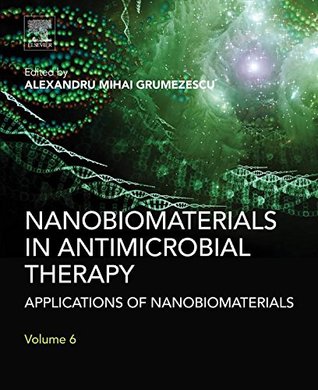
Nanobiomaterials in antimicrobial therapy presents novel antimicrobial approaches that enable nanotechnology to be used effectively in the treatment of infections.
Keywords: nanotechnology, nanomaterials, nanoparticles, nanomodified coatings, antimicrobial properties, biocidal coatings, sanitary materials, health products.
It is found that the major research areas in antimicrobial nanobiomaterials were silver nanoparticles as antimicrobial agents, toxicity of silver nanoparticles, and other antimicrobial nanobiomaterials such as graphene, carbon nanotubes, fullerenes, zirconia, silica, and titania.
Using nanoparticles as filler can improve inadequate mechanical properties to meet the demand of specific tissue repair. In addition, some nanobiomaterials imparted with electrical, optical, magnetic, or antimicrobial properties can satisfy the requirement for the regeneration of some special tissues such as cardiac, neural, and skin tissues.
Nanobiomaterials in antimicrobial therapy presents novel antimicrobial approaches that enable nanotechnology to be used effectively in the treatment of infections. This field has gained a large amount of interest over the last decade, in response to the high resistance of pathogens to antibiotics.
8 nov 2019 an alternative to this worldwide problem is the use of nanomaterials with antimicrobial properties.
3 dec 2014 ag nps have strong antimicrobial activity against most microorganisms, including bacteria, fungi, and viruses.
Antimicrobial resistance (amr) occurs when bacteria, viruses, fungi and parasites change over time and no longer respond to medicines making infections harder to treat and increasing the risk of disease spread, severe illness and death.
The theme of antimicrobial nanomaterials are defined by the particles with sizes smaller than that of 100 nm, and kill some of the bio-organism pathogens such.
Self-assembled nanomaterials have been endowed with designable biofunctions based on non-covalent interactions forming well-ordered nanostructures. With various building blocks, nanostructures with multiple dimensional architectures provide abundant functions for biomedical applications, especially as antimicrobial or detection agents. In this review, we discuss naturally sourced assembled nanomaterials and hybrid artificial assembled nanomaterials.
The field of nanobiomaterials has developed rapidly and continuously in recent years. Innovative techniques have emerged to facilitate the precise manipulation of materials at the nanoscale, providing diverse applications for the biomedical field.
What is an antimicrobial additive? an antimicrobial additive is a substance that contains an appropriately registered antimicrobial agent. Integrated at the stage of manufacture, an antimicrobial additive will provide around-the-clock product protection from the growth of microbes including bacteria, fungi and algae.
9 oct 2020 silver based nano-engineered materials are currently the most commonly used in commodities due to their antimicrobial capacity.
17 apr 2020 (44) unlike antibiotics, due to specialized antimicrobial mechanisms, nanoparticles are superior and have rare chances of developing resistance.
Interests: antimicrobial therapy, molecular solutions for virulence modulation, biofilms, host-pathogen interaction, nanomaterials for advanced antimicrobials.
15 dec 2016 numerous studies concern the synthesis of novel antimicrobial nanoproducts as well as modification of already existing nanomaterials in order.
Antimicrobial use has been common practice for at least 2000 years. Ancient egyptians and ancient greeks used specific molds and plant extracts to treat infection. In the 19th century, microbiologists such as louis pasteur and jules francois joubert observed antagonism between some bacteria and discussed the merits of controlling these interactions in medicine.
6 oct 2020 for example, nanomaterials can preferentially deliver antibiotics to the bacteria, a mechanism that enhances drug potency by reducing overall.
Antimicrobial coating for elevators – any type of elevators can be kept safe with this treatment. Antimicrobial coating for facilities – any types of facilities including banks, insurance offices, other offices, factories, and workstations can be made germ-free with this microbe-preventing coating.
Antimicrobial activity was assessed against streptococcus mutans, staphylococcus aureus, enterococcus faecalis and candida albicans using agar diffusion, and the 2,2-diphenyl-2-picrylhydrazyl hydrate assay was used to evaluate the nanoparticles’ antioxidant potential.
Everything you need to know about the new properties and opportunities.
This special issue aims to provide an updated collection of research and review papers dealing with the most interesting and innovative solutions in the field of the design and applications of nanobiomaterials investigated for antimicrobial solutions.
22 jun 2020 nanomaterials as broad-spectrum antimicrobial agents in battle to be a significant breakthrough in the battle against antibiotic resistance,.
Nanomaterials are a new generation of antimicrobial agents which have action modes dissimilar from conventional antibiotics.
The most common nanobiomaterial which is known for antimicrobial properties is silver. Other than silver, metals such as gold, copper, and silicon nanobiomaterials also show antimicrobial ability toward bacteria. Other than metals, metal oxides such as zno, tio 2, cuo, and mgo also show potential antimicrobial abilities.
6 apr 2020 a wide range of nanomaterials have been demonstrated to possess antimicrobial effects, including iron (iii) oxide, zinc oxide, magnesium oxide,.
Silver nanoparticles (agnps) have attracted much interest in biomedical engineering, since they have excellent antimicrobial properties.
Our unique anti-bacterial nano-particles based coating will make.
Nanobiomaterials in antimicrobial therapy: applications of nanobiomaterials by alexandru grumezescu topics: health physics and radiation effects.
10 nov 2017 nanomaterials for alternative antibacterial therapy hassan a hemeg department of medical laboratories technology, faculty of applied.
The growth of bacteria and microorganisms on surfaces and their transmission to humans is a big risk in fields with special.
(15) alexandru mihai grumezescu: applications of nanobiomaterials (muti-volume set i-xi), volume vi: nanobiomaterials in antimicrobial therapy, 1st edition, isbn: 9780323428644, elsevier (william andrew), oxford, uk, 2016.
Regarding product legislation, no new eu legislation for nanomaterials has are especially interesting due to their antimicrobial and thickening properties.
18 feb 2021 the antimicrobial activity of nanomaterials is wide spectrum and the probable mechanisms have been mentioned for each of the nanomaterials.
Post Your Comments: