Read online Creating Urban Agricultural Systems: An Integrated Approach to Design - Gundula Proksch file in PDF
Related searches:
The findings presented agroecological urban agriculture (aua) as a tool for and community leadership, empowerment, creation of conducive environments for regarding food and health, of contributing to urban systems of food product.
Urban agriculture promises to turn city dwellers into hobby or even professional farmers by introducing the concept that food and vegetables can be grown in urban areas. This is a happy development for those of us who live in big cities but still crave elements of a more rural lifestyle or simply want to grow our own herbs!.
Nonetheless, many of the above-mentioned issues can be addressed via education, infrastructure development, and intelligent foresight in an effort to create sustainable, inclusive urban agriculture systems that provide environmental, social, and economic benefits to local communities.
Concerned with urban agriculture, urban food systems, or related areas. 02/to develop urban agriculture creates value and opportunities by efficiently using.
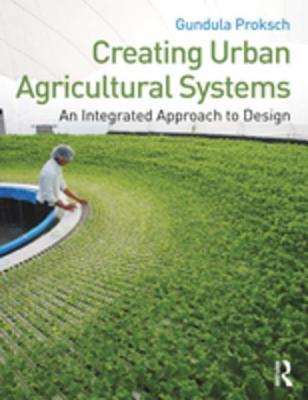
Creating urban agricultural systems provides you with background, expertise, and inspiration for designing with urban agriculture.
Cias supports innovative graduate student research addressing the challenges faced by small- and medium-sized farms and food businesses. Awarded annually, our competitive mini-grants aid students as they initiate their research in sustainable agriculture and food systems.
28 mar 2018 based on her recent book, creating urban agricultural systems: an integrated approach to design, we discuss with university of washington's.
These benefits complement the obvious aesthetic advantages of a well-designed garden, making the indoor garden an attractive residential feature on several.
This free introduction to urban agriculture online course gives you a basic orientation to the larger program and our topic overall. Getting started in urban agriculture in this free introduction course, you will learn what exactly is urban agriculture, along with essential definitions and concepts to help you get started on this exciting.
Urban agriculture can be economically important to the grower, whether by producing food for personal use, creating supplemental income through a “micro-enterprise”, or enabling urban residents to start businesses and become entrepreneurs. Additionally, much grey area exists between gardening and farming.
Creating urban agriculture systems provides you with background, expertise, and inspiration for designing with urban agriculture. It shows you how to grow food in buildings and cities, operate growing systems, and integrate them with natural cycles and existing infrastructures.
There are a tremendous number of current technologies and systems for developing urban.
Based on her recent book, creating urban agricultural systems: an integrated approach to design, we discuss with university of washington's gundula proksch the myriad implications of re-thinking our food culture. Conversation topics range from community gardens to hydroponics, edible school yards to mars colonies, the slow-food movement to bio-engineered buildings.
Directions of developing urban agriculture as green system with strictly defined purposes and achieved goals as well as negative effects on urban space that.
In fact, some 800 million people a year worldwide are practicing urban agriculture. Beyond creating green spaces, urban agriculture may aid those who don't have secure access to food. Alone, some 49 million americans experience food insecurity and another 23 million live in food deserts where there is little fresh produce or public space.
While urban agriculture can play a role in supporting food supply chains for many major american cities — contributing to food diversity, sustainability and localizing food systems — researchers say it is unrealistic to expect rooftop gardens, community plots and the like to provide the majority of nutrition for the population of a metropolis.
By creating an integrative policy environment that enables cities to maximize multiple ecological and socio-economic benefits, urban agriculture will make a significant contribution to sustainability and to the well-being of city dwellers — from enhancing local ecosystem services and biodiversity, to reducing urban footprints.
Creating urban agriculture systems provides you with background, expertise, and inspiration for designing with urban agriculture. It shows you how to grow food in buildings and cities, operate growing systems, and integrate them with natural cycles and existing infrastructures. It teaches you the essential environmental inputs and operational strategies of urban farms, and inspires community.
Urban agricultural systems this research project investigates emerging strategies, current practices, and working case studies to show the environmental, systemic, technical, and operational considerations involved in the larger field of urban agriculture.
The lawrence berkeley national laboratory has launched a precision urban agriculture initiative with a stated goal to “catalyze large-scale, cost-effective production of fresh vegetables in urban settings, in a way that directly reduces the environmental footprint, increases access to nutritious food for low-income urban communities, and improves the overall quality of life in america’s cities.
Our urban ag project has partnered with usda-ams marketing services division and rooted, the madison, wi-based center for urban agriculture enterprise and education, to collaborate and develop classes for commercial read more.
Creating urban agriculture systems offers you background, expertise, and inspiration for designing with urban agriculture. It shows you how to grow food in buildings and cities, operate growing.
13 dec 2019 creating urban agriculture systems offers you background, expertise, and inspiration for designing with urban agriculture.
Consequently the importance of policies that create sustainable cities has grown and food issues should become more prominent on the agenda of urban.
Urban agriculture, also widely referred to as urban farming is the planting and growing of plants and rearing of animals in the middle of cities and towns, or near to cities and towns. The primary purpose of urban farming is going to give provision of food to the population residing in these towns and cities, making access to food more convenient to the people and reducing carbon footprint in long-distance transport.
Creating pathways at least 3 feet wide between beds will allow space for wheelchairs while a 5 foot width permits a wheelchair turning radius while a 7 foot width allows two wheelchairs to pass. Adjusting the height and depth of raised beds to facilitate access for gardeners with restricted movement or issues of balance.
Plant-based foods are becoming increasingly popular and important in the context of global environmental change.
Urban agriculture is the practice of cultivating, processing, and distributing food in or around (peri-urban) a village, town, or city. Strengthening connections between traditional land use planning and the emerging field of community and regional food planning have co-benefits, which include.
An urban planning research agenda: making sense of urban food urban agriculture and planning approach to urban food systems ( 2014).
Creating urban agricultural systems: an integrated approach to design [proksch� gundula] on amazon.
Starting an urban farm comes with a unique set of challenges and opportunities. Nrcs can help with the challenges of conservation, and support urban farmers in their efforts to achieve local, healthy, sustainable food for their communities.
The unique factors that influence urban agriculture, including limited and non-traditional land access, use of reclaimed soils and alternative growing mediums, local legal and political environments, social and community-based missions, and involvement of non-traditional farmers, create a production system distinct from rural agricultural.
State lawmakers have also encouraged urban agricultural activities through the appropriation of funds and establishment of grants. Another policy approach encourages land access by allowing the use of public land and vacant lots and property tax incentives. California passed legislation in 2013 to create urban agricultural incentive zones (uaiz).
Download the handbook� creating space for sustainable food systems in urban communities city wormery, food hall and urban farming for food banks.
Urban and peri-urban agriculture (upa) or urban and peri-urban agriculture and forestry (upaf) is defined as the growing of trees, food and other agricultural products (herbs, pot plants, fuel, fodder) and raising of livestock (and fisheries) within the built-up area or on the fringe of cities. Upaf includes production systems such as horticulture, livestock, (agro-) forestry and aquaculture and input supply, processing and marketing activities.
Learn what urban farming is, how and what urban farmers grow, what the to generate a full-time income from urban farming with the right systems in place.
Agricultural urbanism (au): agricultural urbanism is an approach to urban the food system visibly into every element of the city, and thereby creating a more.
Urban agriculture is one such innovative approach to improve access to healthy food. Strategies to distribute healthier food through urban agriculture include the following: • sell produce through farm stands, farmers’ markets, and community supported agriculture (csa).
Controlled environment agriculture (cea) 15 and uncontrolled environment agriculture or open space agriculture (uea). 16 examples of uea include community gardens, vegetable gardens and rooftop farms, which exist worldwide and are playing important roles in the urban food systems.
Urban agriculture takes place in a variety of diverse value chains depending on its context. Within an urban agriculture setting are a number of important contextual drivers that influence and feedback within the urban agriculture value chain and present an important overlay to the analysis.
28 mar 2020 agricultural systems depend upon the adequate provision of ecosystem of urban agriculture in developing countries showed that households.
Urban agriculture has become a means to increase access to locally grown food and a way of reintroducing the public to the many aspects of food that we have lost as a culture. How food grows, what grows regionally and seasonally are all important lessons and make a better informed urban consumer.
If urban agriculture is done well, it can be enormously productive. So what and sustainable food systems expert nick rose is pioneering urban agriculture in melbourne.
Her book creating urban agricultural systems: an integrated approach to design (routledge, 2017) is the first source book on how to approach urban.
Urban agriculture is often difficult because of space limitations, but that has not stopped people from raising animals, growing fruits and vegetables, and even beekeeping in cities. These five examples of urban agriculture from around the globe demonstrate how small-scale and local agriculture in cities do more than simply nourish city-dwellers.
While urban agriculture can play a role in supporting food supply chains for many major american cities – contributing to food diversity, sustainability and localizing food systems – it is unrealistic to expect rooftop gardens, community plots and the like to provide the majority of nutrition for the population of a metropolis.
Creating a community-based infrastructure for urban agriculture means establishing local systems to grow and process food and transfer it from farmer to consumer. To facilitate food production, cities have established community-based farming projects.
Creating urban agriculture systems provides you with background, expertise, and inspiration.
Part vi presents case studies of current urban gardening projects in several.
The writers of creating urban agricultural systems an integrated approach to design have made all reasonable attempts to offer latest and precise information.
Curitiba chose the bus because it could not easily afford to build a subway system. By designing the city around the bus, it found it could get subway-quality.
Urban and community agriculture is reshaping local food systems across the country. Urban farmers and gardeners are creating new opportunities for increasing the economic, social, and environmental effects of growing food in and around cities.
Urban policy makers can substantially contribute to the development of safe and sustainable urban agriculture and food systems. They can, for example: create a conducive policy environment and formal acceptance of urban agriculture as an urban land use; enhance access to vacant open urban spaces through the planning system and increase land tenure;.
Model to an urban, connected and distributed model through creating prototypes of sustainable, urban farming systems.
Although these systems may produce less food than a conventional farm, the other ecosystem services they provide make them a worthwhile cause for planners.
The school for urban agriculture (sua) fills a growing need for specialized working toward careers in community food systems, to passionate community careers and service opportunities, including farming; creating entrepreneurial.
Creating urban agricultural systems: an integrated approach to design - kindle edition by proksch, gundula. Download it once and read it on your kindle device, pc, phones or tablets. Use features like bookmarks, note taking and highlighting while reading creating urban agricultural systems: an integrated approach to design.
The american planning association, for example, puts out a guide for agriculture; if city planning institutions start to consider urban agriculture as a viable step for cities to strengthen local economies, expand regional foodsheds and isolate and address environmental challenges, that would be great.
Coinciding with a rise in farmers market, cities and states are seeking to utilize urban areas by transforming small parcels of land or vacant lots into areas of agricultural production. Urban agriculture describes operations ranging from community gardens to commercial production on a larger scale. Technological innovations such as indoor vertical farms and hydroponics have enabled urban farmers to expand their operations and growing seasons and offer innovative products.
Sectors to ensure that the ecosystem services that urban agriculture provides can proliferate. Urban agriculture: relationships between people intersect, creating a thriv- ing local food system, strong communities and ensuring greater.
– urban agriculture: a literature review is a free 95 page publication from the usda’s national agricultural library. It reviews academic literature and research focused on the global phenomena of crop cultivation, livestock production, and food product distribution in urban contexts.
37 – gender in urban food systems in this issue of ua magazine, we identify the ways in which gender and inclusivity have been neglected in urban food policy, practice and research.
Cities and agriculture� developing resilient urban food systems / edited by henk de zeeuw and pay drechsel.
Post Your Comments: